Attic Insulation in Escondido, CA
Tidal Remodeling installs attic insulation in Escondido, CA, where summer afternoons near 90°F turn thin attics into ovens over your ceilings and ductwork. We seal leaks around ducts and fixtures, then build blown-in fill to R-38 or R-49. A free, photo-backed attic inspection shows what your home needs first.
Call (760) 990-7890 · Schedule a free attic inspection
Licensed & Insured · CSLB #1135348 · Free assessment · Office at 5375 Avenida Encinas, Carlsbad

Why is attic insulation such a big deal in Escondido?
Inland heat. Escondido sits in a valley well past the marine layer, and NOAA's 1991-2020 normals for the Escondido #2 station show an August average high of 89.0°F, a July high of 87.2°F and a December average low of 43.8°F (NOAA NCEI). On a sunny August day, the space under the roof gets far hotter than the air outside.
In most single-story Escondido homes the air conditioner's ducts run through that attic. Thin insulation lets the heat soak into ceilings, and leaky duct joints pull hot attic air into the system. ENERGY STAR estimates that air sealing and added insulation save homeowners an average of 15 percent on heating and cooling costs (ENERGY STAR).
Which Escondido homes are most under-insulated?
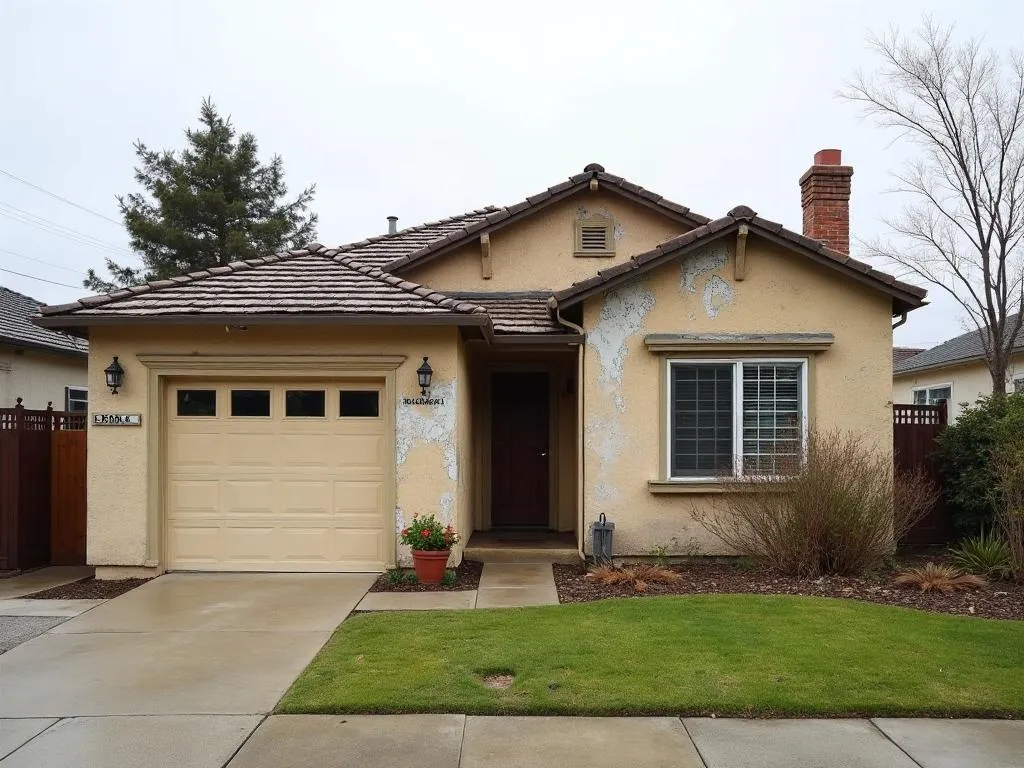
Mostly homes built before the 1980s and homes that have had solar, cable or HVAC work in the attic. Escondido's housing spans early 1900s homes near Grand Avenue to big newer houses on the hills. What we find depends on the area:
| Area | Common attic condition | Typical plan |
|---|---|---|
| Old Escondido (92025) | Little or no insulation over plaster ceilings, open top plates | Seal, then build full depth |
| Central and east Escondido tracts (92026, 92027) | 1960s to 1980s fill settled to 3 or 4 inches | Seal ducts and fixtures, top up to R-38+ |
| Felicita and Kit Carson Park area (92029) | 1990s fill disturbed by solar or HVAC installs | Fill bare spots and level the layer |
| Hidden Meadows and San Pasqual Valley edges | Large attics under sun-exposed roofs | Deep fill to R-49 and sealed duct runs |
What R-value does an inland Escondido attic need?
R-38 at minimum, and R-49 makes sense in a hot inland attic. ENERGY STAR lists San Diego County in climate zone 3 and recommends R-49 total for an empty attic, or about R-38 added over 3 to 4 inches of existing material (ENERGY STAR). Most attics we open in 92026 and 92027 tract homes are well short of that.
We place depth markers across the attic so the finished photos show coverage, and California's Title 24 energy code applies to the work where required (California Energy Commission).
Should the ducts be sealed during an attic upgrade?
Yes, when the ducts run through the attic. Escondido's inland heat makes leaky ducts expensive, because cooled air escapes into the attic and hot air gets pulled in at loose joints. While we are up there, we seal the connections we can reach and point out any crushed or torn runs.
Air sealing at the ceiling matters just as much, especially in older Old Escondido homes with plaster ceilings. Gaps at light boxes, the hatch, plumbing vents and wiring holes are closed with foam or caulk before any fill goes down.
Do Santa Ana winds and fire season change the plan?
Santa Ana winds and fire season can change the details. Those winds push hot, dry, dusty air through every attic vent, and homes toward Hidden Meadows, Lake Wohlford and the San Pasqual Valley sit closer to brush. We keep the vents open and clear with baffles at the eaves, and we never block required ventilation to add depth. If vents are damaged or clogged with debris, we note them in your photos so they can be repaired.
Our Escondido attic insulation steps
Summer attics in Escondido get dangerously hot by midday from the inland heat, so crews start early and work the attic in the cooler morning hours. The order of work never changes:
- Free attic inspection by a project consultant, with photos of depth, ducts, vents and wiring.
- A written scope with the target R-value and any removal first.
- Air sealing at ceiling openings and reachable duct joints.
- Eave baffles, then blown-in fill to the marked depth.
- Depth photos and a final walk-through with you.
Our Mission Control office team sends the before and after photos, so you can see every corner of your Escondido attic without going up the ladder.
What drives the price of attic insulation in Escondido?
Attic size, current depth, access and duct work drive the price. A large Hidden Meadows or Lake Dixon-area attic going to R-49 needs more material than a small central Escondido tract home, and pulling out old, dirty fill adds labor. You get a written price after the inspection, with photos behind each line item.
Escondido attic insulation questions
How much does attic insulation cost in Escondido?
It depends on attic square footage, existing depth, access, duct and air sealing work and whether old material comes out. Tidal Remodeling's project consultant inspects and measures your Escondido attic for free, then gives you a written, itemized quote, so you know the full cost before anything is scheduled.
Will better attic insulation make my Escondido home cooler?
Usually, yes, most of all in single-story homes where the ceiling sits right under a hot attic. Deep, even fill slows the heat moving down into rooms, and sealed duct joints keep cooled air where it belongs. Bedrooms under west-facing roof sections in Felicita and east Escondido tracts tend to notice the change first.
Is it safe to add insulation over the old layer?
Yes, if the old fill is dry, clean and pest-free. We remove material that is wet, moldy, rodent-fouled or crushed beyond use, because covering it hides the problem. Older attics in Old Escondido and homes near open land are where we most often find rodent damage.
How long does an attic insulation project take in Escondido?
Timing depends on attic size, access, duct sealing and any removal. A clean attic in a 92027 tract home is fairly quick, while a large hillside attic going to R-49 takes longer. Your quote includes a schedule, and in summer we plan the attic work for cooler morning hours.
How often should an Escondido attic be checked?
Every few years, and after any solar, HVAC, cable or electrical work in the attic, since installers often leave bare spots. A check after Santa Ana wind season is also smart, because dust and debris can clog vents. February is the wettest month at the Escondido station, with 3.57 inches of rain.
Is blown-in fiberglass better than batts for Escondido attics?
For adding to an existing attic in a Grand Avenue bungalow or a Kit Carson Park tract home, blown-in fill usually performs better because it flows around ducts, wiring and framing with fewer gaps. Batts fit open, new framing in a remodel. In either case, if you can see the tops of the ceiling joists, the layer is too thin for Escondido's summers.
Does Tidal Remodeling serve Escondido?
Yes. Tidal Remodeling holds California contractor license CSLB #1135348 and works out of 5375 Avenida Encinas, Suite A, Carlsbad, CA 92008. We serve Escondido ZIP codes 92025, 92026, 92027 and 92029. Call (760) 990-7890 to book a free attic inspection.
Book a free attic inspection in Escondido
Call (760) 990-7890 or schedule a free inspection. See our Escondido service area page, window replacement in Escondido and attic work in El Cajon. Verify CSLB #1135348 online.
Call (760) 990-7890 · Schedule a free attic inspection · Tidal Remodeling on Google Maps